How to Feed Baby in the Car Seat Safely: A Parent's Guide
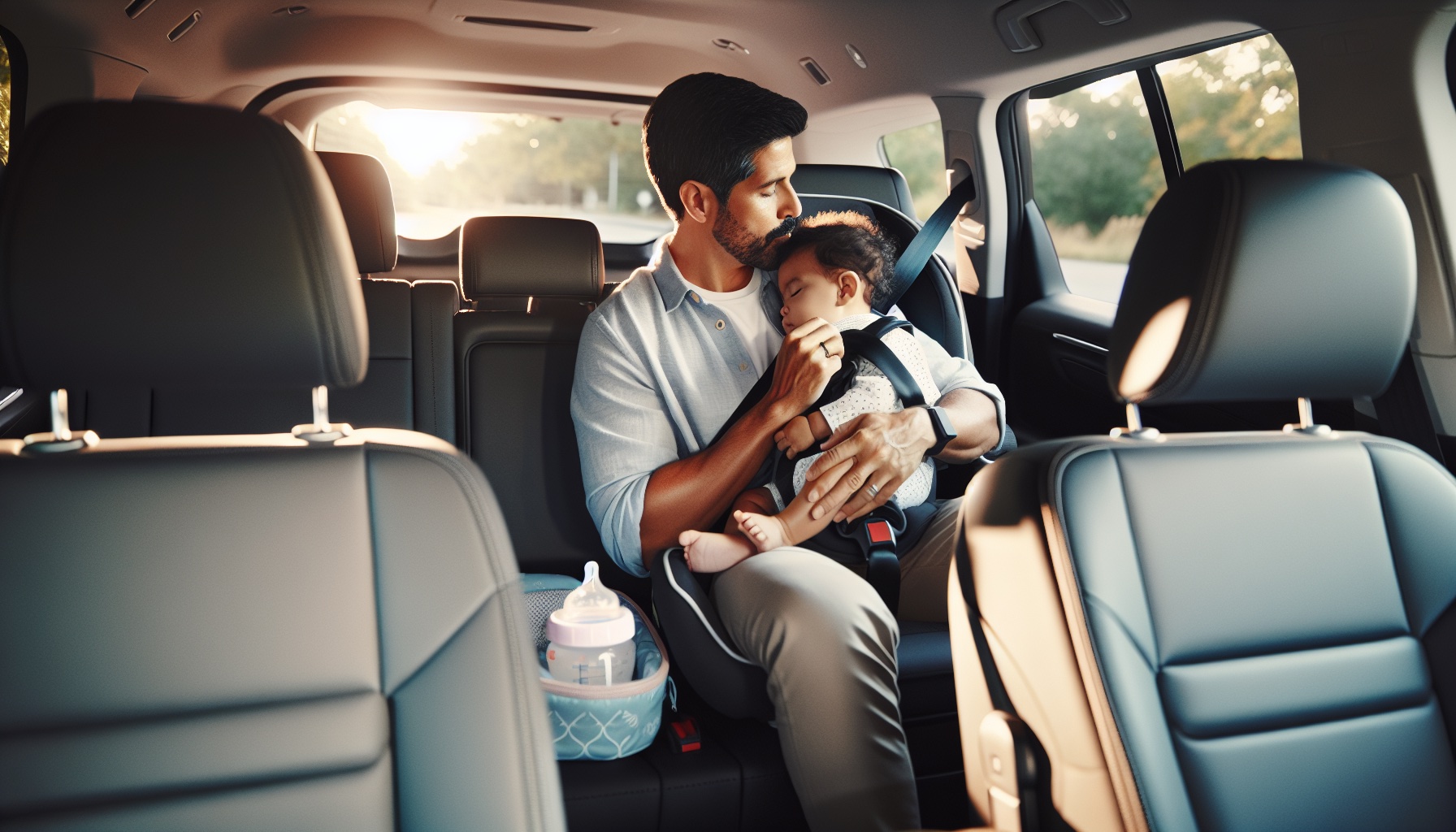
We’ve all been there. You’re twenty minutes into a drive, baby starts crying, and you know exactly what they need — a bottle. But you’re behind the wheel, your partner isn’t in the car, and pulling over on the highway isn’t exactly convenient.
Feeding a baby in a car seat is one of the most common challenges new parents face. The good news: it can be done safely.
Safety First: The Ground Rules
- Never hold a bottle while driving. Both hands on the wheel, eyes on the road.
- Never prop a bottle with a blanket or towel. Soft materials can shift, blocking baby’s airway.
- Baby should be supervised. Check on baby at every red light or rest stop.
- Keep baby in the proper car seat position. Don’t recline beyond manufacturer recommendations.
- Watch for signs of distress. Coughing, sputtering, or sudden silence are signs to stop immediately.
Your Options for Car Seat Feeding
1. Pull Over and Feed (Safest)
When possible, this is always the best option. But let’s be realistic — this isn’t always practical.
2. Rear-Facing Passenger Feeds Baby (Very Safe)
If another adult is in the car, they can sit next to the car seat and hold the bottle.
3. Hands Free Bottle Holder (Safe with Supervision)
A dedicated bottle holder that attaches to the car seat handle can hold the bottle at the right angle. The MomEZ Hands Free Baby Bottle Holder is designed specifically for this. Setup takes about 10 seconds.
4. Blanket or Towel Propping (Avoid)
Do not prop a bottle with soft materials. This is the one approach pediatricians universally discourage.
Looking for a safe car seat feeding solution? The MomEZ holder attaches to any car seat handle in seconds and holds the bottle at the perfect angle.
See the MomEZ Holder →Road Trip Feeding Tips
- Pre-fill bottles before you leave. Have 2–3 bottles ready in a cooler bag.
- Time feeds around the drive. Feed baby right before you get in the car.
- Plan stops every 2 hours. Babies shouldn’t sit in a car seat for more than 2 hours at a stretch.
- Keep a bottle holder in the diaper bag. The MomEZ holder is small enough to stay in your bag permanently.
- Use a car mirror. A baby car mirror lets you see baby from the driver’s seat.
- Don’t heat bottles in the car. Room temperature formula or breast milk is perfectly fine.
When to Avoid Car Seat Feeding Entirely
- Baby is a newborn (under 2 months)
- Baby has reflux or known feeding difficulties
- You’re on a winding road or in heavy traffic
- Baby is congested or has a cold
The Bottom Line
Feeding baby in the car seat is a reality of parenting. The safest approach is to pull over when you can, but when that’s not practical, a dedicated bottle holder is the next best option.
Adult supervision is required at all times when using any feeding aid.
Dr. Judith Mendez , MD, Pediatrician, Board-Certified
Dr. Judith Mendez is a board-certified pediatrician with over 15 years of experience caring for newborns, infants, and children. She is passionate about helping new parents navigate the joys and challenges of parenthood with evidence-based guidance.